How can we help you?
Create A money-making Blog: The Perfect Business that you may not realize that it makes money

How to Start a better Robust Money-Making Blog in 2026
A money-making blog is one of the most powerful online business models available today, and it’s something many people underestimate. For countless bloggers, it has opened the door to real financial opportunities, flexible schedules, and long-term growth. What makes blogging especially appealing is that the barrier to entry is low—starting a blog is not complicated, and the technical setup is easier than ever.
That said, it’s important to be realistic. Income earned through blogging varies from person to person, and success does not follow a fixed timeline. Some people see results quickly, while others take months or even years to gain momentum. How fast a blog grows depends on factors such as consistency, content quality, strategy, and effort. The outcome is largely influenced by the choices you make and the work you put in.
Starting a blog is not as simple as purchasing a plan and becoming instantly profitable. While having a place for your website to live online is essential, it represents only a small piece of the bigger picture. A successful and profitable blog is built on strategy, content, audience trust, and long-term planning—not shortcuts or unrealistic expectations.
That said, a reliable foundation is still necessary. Without it, your blog wouldn’t exist at all. Choosing a dependable platform ensures your content is accessible, loads quickly, and provides a smooth experience for readers. EZ Host Pro offers a plan well-suited for bloggers who want a stable and affordable starting point, but simply having a blog online is not enough to generate income on its own.
A live website without direction, valuable content, or a clear purpose will struggle to gain attention. Blogging becomes profitable when it is treated as a real project—one that focuses on helping readers, solving problems, and building credibility over time. Traffic, engagement, and monetization are all results of intentional effort, not automatic outcomes.
Now that expectations are clear, it’s time to move beyond the setup and focus on what truly matters. Let’s dive into how to start building a blog that has the potential to generate income and grow into a sustainable online business.
Money Making Blog Niches
One of the most important decisions when starting a blog is selecting a niche that balances interest, demand, and earning potential. Many new bloggers make the mistake of choosing a topic that is either too broad or too narrow. A broad topic makes it difficult to stand out, while a niche with little demand limits growth opportunities.
A profitable niche typically solves a problem, answers recurring questions, or helps readers achieve a specific goal. Topics related to finance, education, business, technology, health, lifestyle, and skills development continue to perform well because they attract audiences willing to invest time and money into solutions. However, competition alone should not discourage you. What matters more is how clearly you define your angle and audience.
Before committing, research what people are already searching for, what types of products or services exist in the space, and how other blogs structure their content. Look for gaps where information is outdated, unclear, or incomplete. These gaps represent opportunities to provide better value.
A strong niche also allows flexibility. Over time, your blog should be able to expand into related topics without losing focus. This creates room for growth, content variety, and multiple income streams as your audience evolves.

Building a Blog That Is Designed to Convert, Not Just Attract Traffic
Traffic alone does not generate income. A successful blog is designed to guide visitors toward meaningful actions, whether that means subscribing, clicking, purchasing, or engaging further. From the beginning, it’s important to think about how visitors will move through your site.
Clear navigation, readable layouts, and logical content structure all play a role in keeping visitors engaged. Each article should have a purpose, whether it’s educating readers, introducing a solution, or building trust. Calls to action should feel natural and helpful rather than aggressive or distracting.
Email signup forms, content upgrades, and internal links help turn casual visitors into repeat readers. Over time, this relationship becomes one of the most valuable assets a blog can have. Readers who trust your content are far more likely to take recommendations seriously and return for future updates.
Design decisions should support clarity, not overwhelm. Simplicity often performs better than complexity, especially on mobile devices. When a blog is easy to use and understand, visitors stay longer, interact more, and are more likely to convert.
Content Strategy That Supports Sustainable Income Growth
Publishing content without a plan is one of the fastest ways to burn out. A long-term content strategy helps ensure that every post contributes to growth rather than feeling like wasted effort. This starts with understanding user intent — why someone is searching for a topic and what outcome they want.
Evergreen content plays a critical role here. These are articles that remain relevant for months or years and continue to attract visitors over time. Tutorials, guides, comparisons, and educational resources often perform well because they solve ongoing problems.
Content should be structured in a way that builds authority. Instead of writing isolated posts, group related topics together so readers can easily explore more. This improves engagement, builds trust, and increases the likelihood of monetization later.
Consistency matters more than volume. Publishing on a realistic schedule allows you to maintain quality and avoid burnout. Over time, a well-organized library of helpful content becomes a powerful engine that works for you even when you’re not actively publishing.
Types of niches
- Parenting Blog
- Health, Fitness and Wellness
- Frugal Living
- Money
- Technology & Software
- Online Business & Entrepreneurship
- Personal Finance & Investing
- Education & Skill Development
- Home Improvement & Real Estate
Parenting Blog
Parenting is one of the most profitable and beginner-friendly blog niches available. It’s also one of the most universal. New parents are constantly searching for guidance, reassurance, and real-life advice, making this niche consistently in demand. Because families continue to grow every year, parenting remains an evergreen topic with long-term potential.
What makes parenting blogs especially powerful is the emotional connection they create. Parents want advice from people who understand their challenges, not from faceless sources. This creates strong trust and loyalty when content is relatable, honest, and experience-based. Whether someone is expecting their first child or navigating the teenage years, there is always a need for support and shared experiences.
Popular Content Ideas Within This Niche
To succeed, it’s important to focus on specific parenting stages or challenges. Some high-performing content ideas include:
- Pregnancy tips and preparation guides
- Newborn care and sleep routines
- Toddler behavior and developmental milestones
- Parenting hacks for busy moms and dads
- School-age routines, homework, and organization
- Parenting on a budget
- Emotional support and self-care for parents
Personal stories, real struggles, and honest wins tend to perform extremely well. Parents are more likely to follow bloggers who share authentic experiences rather than perfect, unrealistic portrayals of family life.
Why Niching Down Matters
Parenting is a broad topic, and new blogs can easily get lost if they try to cover everything. Niching down helps you stand out and attract a loyal audience. You might focus on first-time moms, single parents, stay-at-home parents, working moms, large families, or parenting in specific age ranges. The clearer your focus, the easier it is for readers to connect with you.
Monetization Methods That Work Well
Parenting blogs offer multiple income opportunities because parents are actively looking for solutions. Common monetization methods include:
- Display ads, which perform well with high traffic
- Affiliate marketing for baby products, educational tools, and household essentials
- Digital products, such as printable planners, guides, or courses
- Sponsored content with family-focused brands
One well-known stay-at-home mom blogger grew her site to over 200,000 monthly pageviews and began earning $5,000 per month in under a year. Her income came from a combination of ads, affiliate partnerships, and her own products—showing what’s possible with consistency and focus.
Best Platforms to Reach Parenting Audiences
Parenting content performs well on platforms where community and visuals matter. The most effective platforms include:
- Pinterest, for tips, checklists, and evergreen traffic
- Instagram, for short-form content and daily parenting moments
- Facebook, especially groups and community discussions
- YouTube, for tutorials, routines, and real-life experiences
To stand out in this niche, the key question is: what makes your parenting journey different? When you answer that clearly and build content around it, you create a blog that feels personal, helpful, and valuable—one that parents keep coming back to.
Health, Fitness and Wellness
Health, fitness, and wellness is one of the most powerful and flexible niches you can choose. The audience is global, demand is constant, and interest continues to grow as people become more focused on longevity, mental health, and overall quality of life. Because health impacts everyone, this niche attracts readers across age groups, lifestyles, and income levels.
What makes this niche especially appealing is its earning potential. With the right focus and consistency, it’s possible to drive significant traffic, which opens the door to multiple income streams. However, because this niche is broad, success depends on narrowing your focus. Instead of covering everything, it’s important to zero in on specific topics that align with your interests and your audience’s needs.
Popular Content Ideas Within This Niche
To stand out, your content should be both helpful and relatable. Some high-performing content categories include:
- Healthy meal planning and simple recipes
- Weight loss journeys and transformation stories
- Home workouts and beginner-friendly fitness routines
- Mental wellness, stress management, and mindfulness
- Nutrition tips, supplements, and balanced eating
- Fitness for specific groups (busy moms, beginners, seniors, or home-based routines)
- Lifestyle habits that support long-term wellness
Personal experiences perform especially well in this niche. Readers connect strongly with real stories, progress updates, challenges, and honest results. Authenticity builds trust, which is critical for long-term success.
Monetization Methods That Work Well
Health and wellness blogs offer diverse monetization opportunities because readers are actively looking for solutions. Common income streams include:
- Affiliate marketing for fitness equipment, supplements, wellness tools, meal plans, and apps
- Sponsored content from brands looking to reach a health-conscious audience
- Display advertising, which performs well once traffic increases
- Digital products, such as workout programs, meal planners, recipe eBooks, or wellness guides
- Memberships or courses focused on fitness routines, lifestyle habits, or mindset coaching
Many bloggers combine several of these methods to create stable monthly income rather than relying on just one source.
Realistic Income Potential
This niche has proven income potential when done correctly. For example, one mom built a blog around healthy eating and an active lifestyle and now earns over $12,000 per month. Her income comes from a mix of sponsored posts, advertising, affiliate partnerships, and her own digital products. Her success didn’t happen overnight—it grew through consistent posting, audience trust, and clear positioning.

Best Platforms to Reach This Audience
Health and wellness content performs extremely well on visual and community-driven platforms. You can effectively reach and grow your audience through:
- Instagram, for reels, stories, and fitness inspiration
- Pinterest, for recipes, routines, and evergreen traffic
- YouTube, for workouts, tutorials, and lifestyle content
- Facebook, for groups, challenges, and community engagement
By combining strong content with the right platforms and monetization strategies, the health, fitness, and wellness niche can become a highly profitable and rewarding blogging choice.
Frugal Living
Frugal living is one of the most popular and profitable lifestyle niches, especially on Pinterest, where users actively search for ways to save money, reduce expenses, and live more intentionally. In fact, some of the largest group boards on Pinterest are dedicated entirely to frugal living topics, making it a powerful traffic source for bloggers in this space.
What makes frugal living so effective is that it solves a universal problem. People from all income levels want to save money, stretch their budgets, and feel more in control of their finances. Whether someone is trying to pay off debt, live on one income, or simply stop overspending, frugal living content meets a constant and ongoing need. This makes the niche evergreen and consistently in demand.
Popular Content Ideas Within This Niche
Successful frugal living blogs focus on actionable, real-world advice. High-performing content ideas include:
- Grocery savings and couponing strategies
- Budgeting methods and printable budget planners
- Meal planning and low-cost recipes
- Saving money on utilities, insurance, and everyday expenses
- Frugal home organization and DIY projects
- Living well on one income
- Seasonal savings tips and challenges
Couponing blogs, in particular, remain extremely popular. Teaching readers how to save money at grocery stores, stack discounts, or plan shopping trips can attract loyal, repeat visitors who return regularly for updates.
How Frugal Living Blogs Make Money
At first glance, it may seem counterintuitive to earn income by teaching people how to save money—but this niche monetizes exceptionally well. Bloggers often earn through:
- Display advertising, which performs well with high traffic
- Affiliate marketing for budgeting tools, apps, cashback services, and household products
- Digital products, such as savings planners, meal planning systems, or debt payoff trackers
- Sponsored content with brands targeting budget-conscious consumers
For example, Jenny from This Tiny Blue House built a successful frugal living blog by sharing practical savings strategies and relatable experiences. By combining helpful content with smart monetization, she turned money-saving advice into a sustainable income stream.
Why This Niche Works Long-Term
Frugal living content builds trust quickly because it delivers immediate value. When readers see real results—saving money, lowering expenses, or reducing stress—they are more likely to follow, subscribe, and share content. Over time, this trust creates strong engagement and consistent traffic.
With the right strategy, frugal living blogs can grow into powerful resources that help readers improve their lives while generating steady income for the blogger. It’s a niche that rewards authenticity, consistency, and practical advice.
Money
The money niche is one that never goes out of style. Regardless of economic conditions, people are always looking for ways to manage their finances better, increase income, reduce debt, and build long-term security. Because financial concerns affect nearly everyone, this niche attracts a broad audience and remains consistently in demand year after year.
What makes the money niche especially powerful is its flexibility. It can cover a wide range of topics while still allowing bloggers to narrow their focus and build authority. Readers actively seek guidance on making smarter financial decisions, and when they find clear, trustworthy advice, they tend to return regularly and engage deeply with the content.
Popular Content Ideas Within This Niche
Money-focused blogs perform best when they provide practical, easy-to-understand advice that can be applied immediately.
Some popular content areas include:
- Budgeting methods and money management systems
- Personal finance basics for beginners
- Debt payoff strategies and financial planning
- Saving and investing for long-term goals
- Side hustles and ways to earn extra income
- Online income ideas and work-from-home opportunities
- Financial habits that support stability and growth
Content that breaks complex topics into simple steps tends to perform especially well. Readers value clarity and honesty, particularly when financial decisions are involved.
Why the Money Niche Is Highly Profitable
The audience in this niche is often highly motivated. Many readers are looking for solutions they can act on immediately, which makes monetization more effective when done responsibly. Trust plays a major role—when readers believe in the advice you share, they are more likely to follow recommendations.
Monetization Methods That Work Well
Money blogs can generate income through several proven methods, including:
- Affiliate marketing for financial tools, apps, courses, and services
- Display advertising, which performs well with high traffic volumes
- Digital products, such as budgeting templates, financial planners, or educational guides
- Sponsored content from brands aligned with financial education
Some bloggers also offer coaching, workshops, or membership-based content once they establish credibility.
Long-Term Growth Potential
Because financial education is an ongoing need, money-focused blogs benefit from repeat visitors and long-lasting content. Articles written today can continue to generate traffic and income years later when they address evergreen topics. With consistent effort, clear messaging, and ethical recommendations, the money niche offers one of the strongest foundations for long-term blogging success.
Additional High-Income Blog Niches to Consider
Technology & Software
This niche consistently performs well because readers are often looking for tools, solutions, and comparisons. Topics can include software reviews, productivity tools, AI applications, cybersecurity basics, or tutorials. Many technology-focused blogs earn strong income through affiliate partnerships, digital products, and sponsored content.
Online Business & Entrepreneurship
Blogs in this niche attract readers who are willing to invest in education, tools, and services. Content often focuses on starting businesses, scaling operations, freelancing, passive income strategies, and online tools. Because the audience is action-oriented, monetization opportunities are strong through courses, consulting, and affiliate programs.
Personal Finance & Investing
While closely related to your existing “Money” niche, this sub-niche goes deeper into topics like investing, retirement planning, credit improvement, and wealth building. Readers in this space tend to be highly engaged and motivated, making it one of the most profitable long-term blogging niches when handled responsibly.
Education & Skill Development
Blogs that teach valuable skills—such as digital skills, career advancement, certifications, or learning platforms—can perform exceptionally well. This niche works well with guides, tutorials, and resource recommendations, and it monetizes effectively through affiliate programs, digital products, and memberships.
Home Improvement & Real Estate
This niche attracts readers willing to spend money on tools, services, and education. Topics can include DIY projects, renovations, home ownership tips, and property investing. It often performs well with affiliate links, local partnerships, and sponsored content.

Set Up a Blog
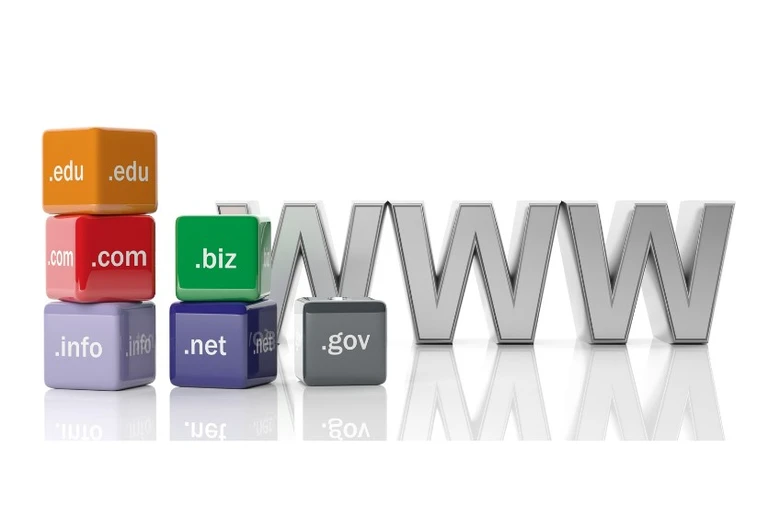
Step 1: Secure Your Domain Name and Blog Foundation
The very first step in setting up a blog is securing your domain name and choosing a reliable plan to support it. Your domain name is your blog’s identity—it’s how people find you, remember you, and recognize your brand online. Choosing the right one early help establish credibility and gives your blog a strong starting point.
At the same time, your blog needs a dependable foundation to stay online, load quickly, and grow over time. This is where EZ Host Pro makes getting started simple and affordable.
EZ Host Pro offers competitive pricing on both domain registration and website plans, with transparent rates that don’t jump dramatically at renewal. Even better, at the time of writing this article, they are running a limited-time One & Done special that includes:
- No Domain Name price hikes
- Lifetime website access
- One-time payment of $97.00
This offer is available for a limited number of accounts and is expected to close once capacity is reached. Unlike traditional plans that come with ongoing monthly or yearly fees, this option eliminates recurring costs—saving you a significant amount of money over the lifetime of your blog or website.
Since having a website is an ongoing requirement for blogging, locking in a one-time payment now can remove a major long-term expense. You can explore available domain names and extensions on the Domain Names page, and when you’re ready, secure the One & Done Plan before the offer expires.
Starting with the right foundation makes everything else easier—and more affordable—as your blog grows.
Why This Deal Won’t Last
This one-time offer is limited because it’s designed for a small number of early users. EZ Host Pro is making this special available only while capacity allows, and once the allotted accounts are filled, the offer will be removed. Unlike standard plans that rely on ongoing fees, this deal locks in long-term value at a one-time price—something that simply isn’t scalable indefinitely.
If you’ve been considering starting a blog or website, this is the kind of opportunity that rewards early action. Once the limit is reached, new signups will move to regular pricing, and this offer will no longer be available.
Step 2: Set Up WordPress and Build Your Website
Once you’ve secured your domain name and selected your plan, the next step is setting up WordPress. WordPress is the most widely used website platform in the world and powers everything from personal blogs to large business websites. It’s flexible, beginner-friendly, and supported by a massive ecosystem of themes, plugins, and tools.
If you choose a WordPress-focused plan with EZ Host Pro, WordPress is automatically installed for you. This removes the technical setup and allows you to start building your site right away without worrying about manual installation or configuration.
Learn WordPress the Right Way
If you’re new to WordPress or want to understand what it’s capable of, learning from an expert can save you hours of frustration. One of the best free resources available is WPCrafter, run by Adam. His tutorials on YouTube walk you through everything from basic setup to advanced features in a clear, easy-to-follow way.
Choosing the Right Page Builder and Theme
For building pages visually without coding, Elementor is one of the most popular and beginner-friendly tools available. It allows you to design your site using drag-and-drop elements while maintaining clean performance.
When it comes to themes, Hello Elementor is an excellent choice. It’s lightweight, fast, and designed specifically to work seamlessly with Elementor. This theme provides a clean foundation, allowing you to create high-performing websites without unnecessary bloat.
Another strong option is Hello Biz, which includes a growing library of professionally designed website kits. These kits are tailored for modern businesses and offer layouts that are both visually polished and highly functional—ideal if you want a professional look without starting from scratch.
Prefer a Done-For-You Website?
If you’d rather skip the design process entirely, EZ Host Pro also offers professional website design services. When you choose to have your website built by our designers, hosting is included at no additional cost for website customers. This option is perfect for business owners who want a professional site without spending time on setup, design, or technical details.
With WordPress in place and the right tools selected, you’re ready to move on to creating content and growing your blog with confidence.
“How to Make a Business Website Using WordPress & Elementor Page Builder” YouTube Video
Essential Plugins You’ll Need to Build Your Blog
To build and grow a professional blog, you’ll need a few high-quality plugins to extend functionality and simplify design. Plugins allow you to add features such as page building, performance enhancements, and customization—without needing to write code. Choosing the right plugins early can save both time and money as your blog grows.
One excellent option for accessing premium plugins at one-time pricing is GPLDesigner. Plugins offered through GPLDesigner are released under the General Public License (GPL), which allows them to be legally redistributed and used without recurring license fees. Many bloggers, including myself, have purchased plugins through GPLDesigner with great results.
When purchasing plugins directly from developers, most require yearly renewals, which can become expensive over time—especially if you use multiple tools. GPLDesigner takes a different approach by offering plugins for a one-time payment, often priced as low as $5.99. Over the lifetime of a blog, this can result in significant savings.
For users who plan to build and manage multiple websites or use several premium tools, signing up for a yearly subscription with GPLDesigner is often the most cost-effective option. It provides access to a large library of plugins while keeping expenses predictable and manageable.
Recommended Page Builder Plugin
One of the most important plugins you’ll use is a page builder. The most popular and beginner-friendly option available today is Elementor Pro. It allows you to design pages visually using drag-and-drop elements, making it easy to create professional layouts without technical experience.
Elementor Pro is available through GPLDesigner. To find it, simply visit the site, click on Plugins, navigate to Page Builders, and you’ll typically see Elementor listed first. Its popularity comes from ease of use, flexibility, and the ability to build almost any type of page—from blog posts to landing pages—quickly and efficiently.
By choosing the right plugins and using one-time pricing where possible, you can build a powerful blog while keeping long-term costs under control.
WordPress Themes and Templates
After setting up your blog platform, the next step is choosing a theme and templates to control how your website looks and functions. Themes define the overall structure of your site, while templates give you pre-designed layouts that can dramatically speed up the building process. The good news is that you don’t need to pay expensive yearly fees to get professional designs.
One excellent place to find affordable themes and templates is GPLDesigner. In addition to plugins, GPLDesigner offers a growing selection of themes and website templates available with one-time pricing, helping you avoid recurring costs as your blog grows.
Another popular and trusted source is ThemeForest. ThemeForest offers thousands of professionally designed themes and full website templates created by independent designers. Many of these are available for a single purchase and can be customized to fit a wide range of blog styles and niches.
For additional design resources, Envato Elements is a valuable option. It provides access to website templates, graphics, icons, and other creative assets. When browsing templates, focus on overall layout and structure rather than colors or fonts. Once you choose a layout you like, you can easily customize colors, typography, and spacing to match your brand.
Tip: Before building pages, set your global colors, fonts, and spacing in the customizer or page builder settings. Making these decisions upfront saves a significant amount of time and keeps your design consistent across the entire site.
Using the Theme Builder for Consistency
Elementor includes a powerful theme builder that allows you to create reusable templates for different parts of your website. This is where you design elements that appear across multiple pages, such as headers and footers. Since every page uses these sections, setting them up first creates a strong foundation.
You should also create templates for your single blog post layout and blog archive page. These templates automatically apply to new articles as you publish them, ensuring consistent design without extra work each time you write a post.
As your blog grows, you may find you need additional tools or features. When that happens, it’s smart to check GPLDesigner first before buying directly from a vendor. In most cases, you’ll find the same tools available at a lower one-time cost, helping you keep long-term expenses under control while building a professional blog.
Creating Legal Documents and Disclosures
Once you’ve completed building your website, it’s important to create the necessary legal documents and disclosures to ensure your blog complies with applicable laws and regulations. These pages protect both you and your readers and help establish your website as professional and trustworthy from the start.
To simplify this process, you can use a plugin like Complianz – GDPR/CCPA Cookie Consent. Complianz helps generate and manage essential compliance features such as cookie consent notices and privacy-related requirements. It’s designed to guide you step by step, making legal compliance much easier for bloggers—especially beginners.
If you plan to include affiliate links, sponsored content, or any form of monetization, you must clearly disclose this information to your readers. Transparency is not only required by law in many regions, but it also builds trust with your audience. A simple, clearly written disclosure page explaining how your site earns money is usually sufficient and reassures readers that your recommendations are honest.
Legal Checklist for Your Blog or Website
Before publishing content or monetizing your site, it’s important to make sure the proper legal pages and notices are in place. These elements protect you, build trust with visitors, and help ensure compliance with regulations that apply to websites worldwide.
✅ Privacy Policy
A Privacy Policy explains how your website collects, uses, and protects visitor data. This includes information such as email addresses, contact form submissions, cookies, and analytics data. Most laws require a Privacy Policy if your site collects any personal information—even something as simple as an email signup.
Your Privacy Policy should clearly state:
- What data is collected
- How the data is used
- Whether third parties (such as analytics or advertising services) have access
- How users can contact you with privacy concerns
This page is essential for compliance with regulations such as GDPR and CCPA.
✅ Affiliate & Advertising Disclosure
If your website includes affiliate links, sponsored posts, or advertisements, you are required to disclose this to your audience. Disclosures help readers understand that you may earn a commission from certain links or recommendations.
Your disclosure should be:
- Easy to find (often linked in the footer)
- Written in plain language
- Transparent about how your site earns money
This builds trust and ensures compliance with consumer protection guidelines.
✅ Terms and Conditions
Terms and Conditions outline the rules for using your website. While not always legally required, they provide protection by defining acceptable use, limitations of liability, and intellectual property rights.
This page typically covers:
- User responsibilities
- Content ownership
- Disclaimer of liability
- How disputes are handled
Having Terms in place helps reduce legal risk as your site grows.
✅ Accessibility Statement
An accessibility statement shows your commitment to making your website usable for all visitors, including those with disabilities. This is especially important for business websites and content sites with a broad audience.
An accessibility page may include:
- A statement of intent to comply with accessibility standards
- Information on supported assistive technologies
- Contact details for accessibility feedback
This page helps demonstrate good faith and inclusivity.
✅ Cookie Notice & Consent
If your website uses cookies for analytics, ads, or functionality, visitors must be informed. A cookie notice explains what cookies are used and gives users the option to accept or manage preferences.
Using a consent tool ensures:
- Compliance with privacy laws
- Clear communication with users
- Proper handling of tracking technologies
Many websites use a cookie consent plugin to automate this process.
Final Tip
All legal pages should be easy to find, typically linked in the footer of your website. Keeping them updated as your site evolves is just as important as creating them initially.
This checklist gives your blog a professional, compliant foundation and prepares it for long-term growth, traffic, and monetization.
Frequently asked questions
Do Bloggers Get Paid Money?
Yes, bloggers can earn income, but it usually takes time and consistency. Common income sources include advertising, affiliate marketing, sponsored content, digital products, and services. Earnings typically grow as traffic and audience trust increase.
How Do I Start a Blog?
Starting a blog involves choosing a domain name, selecting a reliable web hosting provider, installing a blogging platform like WordPress, and creating content for a specific audience. A clear niche and consistent publishing schedule are key to success.
How Long Does It Take for Blogging to Work?
Blogging is a long-term strategy. While some results can appear within a few months, meaningful traffic and income often take six months to a few years. Consistent publishing, SEO optimization, and promotion help speed up results.
How Often Should I Publish Blog Posts?
There’s no perfect posting schedule, but consistency matters more than frequency. Many successful blogs publish once per week or a few times per month. The goal is to maintain quality while keeping content fresh and relevant.
Is Blogging Still Worth It?
Yes, blogging is still highly valuable. Blogs help improve search engine visibility, drive organic traffic, build trust with audiences, and support long-term marketing goals. Many businesses rely on blogging as a core part of their SEO and content strategy.
What Are Common Blogging Mistakes?
Common blogging mistakes include choosing a niche that’s too broad, not understanding audience needs, publishing without a content strategy, and ignoring SEO best practices. Avoiding these mistakes helps blogs grow faster and perform better in search results.
Ready to Start your Blog?
Get started with EZ Host!